



Best Autumn Tours & Things To Do in Bath & The Cotswolds
October 20, 2025
From London to the Countryside: A Winter Travel Mood
January 9, 2026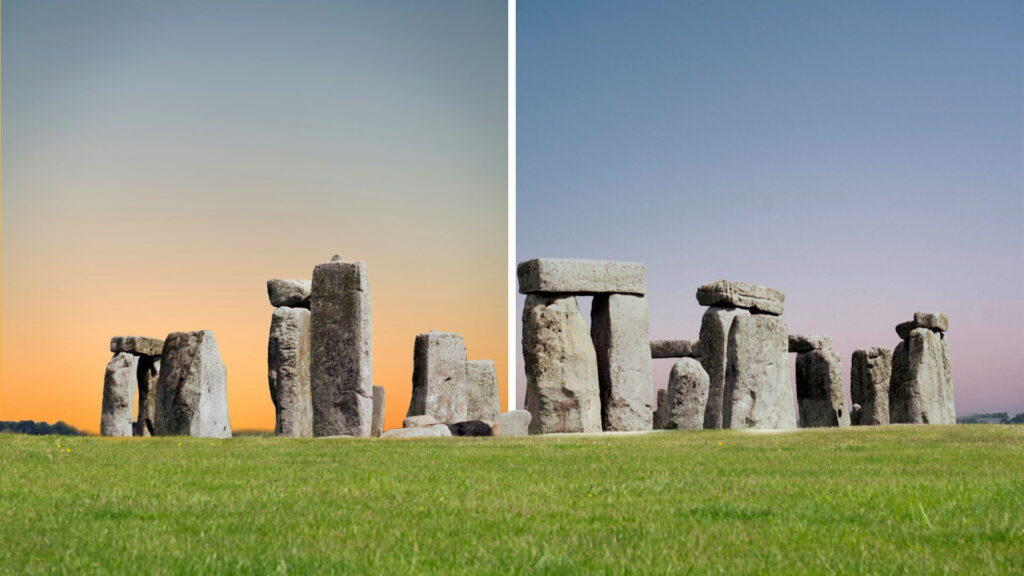
Winter vs Summer Solstice at Stonehenge

Table of contents
- In short...
- In this article:
- What's the Difference Between the Two Solstices?
- Why Stonehenge is Really About Winter Solstice
- Why I'm Drawn to the Winter Solstice
- What Each Solstice Experience Offers
- Experiencing Stonehenge During Winter Season
- Beyond Stonehenge: The Winter Landscape
- Conclusion: Your Choice, Your Experience
In short...
- Both solstices at Stonehenge offer remarkable experiences, but they’re profoundly different in mood and meaning.
- For ancient people, the most important moment of the year was the Winter Solstice.
- Archaeological evidence suggests Stonehenge was designed around the Winter Solstice sunset rather than the summer sunrise.
- The Summer Solstice is lively, communal, busy, and full of celebration.
- The Winter Solstice is intimate, moving, atmospheric, and deeply rooted in ancient ritual.
In this article:
- What’s the Difference Between the Two Solstices?
- Why Stonehenge Is Really All About Winter Solstice
- What the Summer Solstice Experience Offers
- What the Winter Solstice Experience Offers
- Visiting Stonehenge During Winter Season
What's the Difference Between the Two Solstices?
Both solstices mark pivotal moments in Earth's annual journey around the sun, but their meanings and experiences are wonderfully different.
| Feature | Summer Solstice | Winter Solstice |
|---|---|---|
| Date | June 20-21 | December 21-22 |
| Meaning | Longest day of the year | Shortest day of the year |
| Sun Alignment | Sunrise over Heel Stone | Sunset through Great Trilithon, viewed from the Heel Stone |
| Atmosphere | Festival-like, celebratory | Spiritual and reflective |
| Crowd Size | Tens of thousands | Hundreds to low thousands |
| Weather | Warm, early dawn (around 4:45am) | Cold, dark, atmospheric dawn (around 8am) |
| Symbolism | Peak of light and abundance | Rebirth and returning light |
Stonehenge was designed with astonishing precision to mark both moments. During summer solstice, the sun rises directly over the Heel Stone, sending its first rays into the heart of the monument, a spectacular moment that's justifiably famous. The winter solstice focuses on the opposite direction: the setting sun aligns perfectly with the Great Trilithon, bathing the monument in golden light before darkness falls.
For Neolithic people, marking the winter solstice meant knowing that the days would begin to lengthen again, that spring would return, that survival was possible. It was, quite literally, a celebration of hope in the darkest time of year.
Why Stonehenge is Really About Winter Solstice
Before I share my personal reasons for preferring winter, let's look at the compelling archaeological and architectural evidence suggesting that Stonehenge was fundamentally designed with the winter solstice as its primary focus.
The Architecture Tells the Story
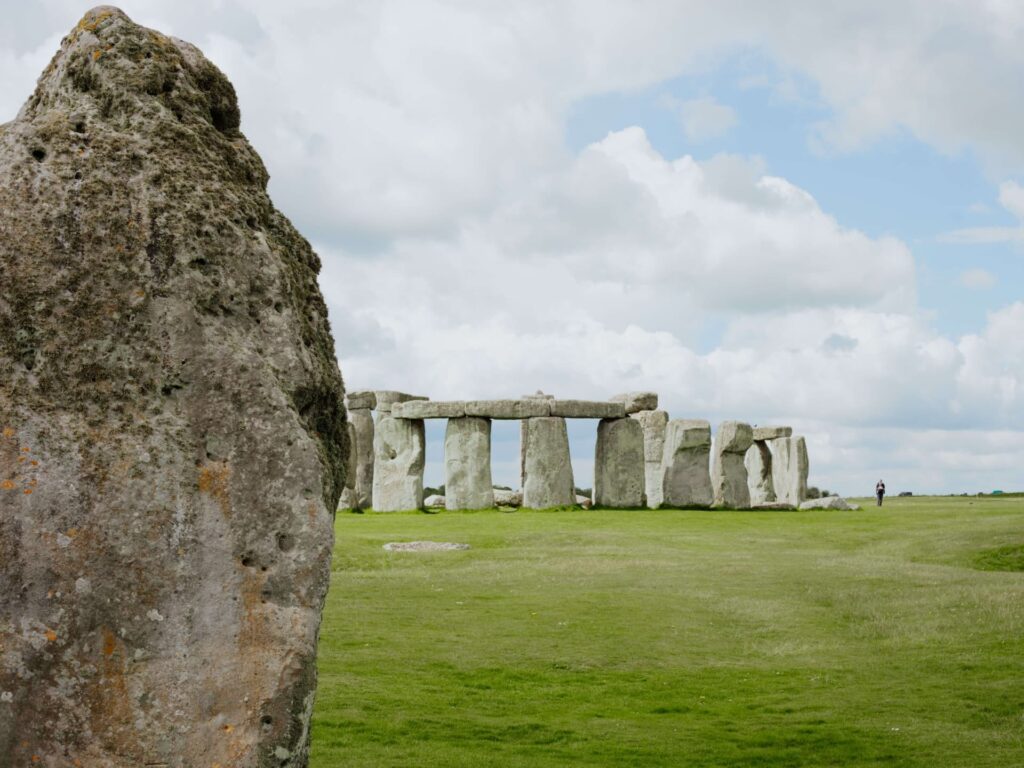
The stone circle is situated just before the brow of the ridge line, orientated towards a flat horizon line to its west, providing it with the ideal location to monitor the movements of the setting sun. With the monument at a slight incline, viewers looking west are orientated towards the sky. To the east is an uneven horizon line, and looking through the stones eastwards, a viewer is orientated downhill, towards the ground.
The main entrance is west-facing, approached from the east. In other words, you enter Stonehenge looking towards the direction of the setting sun.
Perhaps most tellingly, the stones are not carved and shaped all over. Only the sides that face the east are carefully worked and finished. The back western sides of the stones were left unworked, meaning that the viewers were almost certainly viewing the circle from the eastern side, looking westwards.
All this points to clear evidence that Stonehenge was built with a focus on viewing it whilst facing west, with its stones laid out to help measure the movements of the sun across the year, from its most southerly sunset in the south at midwinter, to its most northerly sunset at midsummer.
The Spiritual Significance of Midwinter
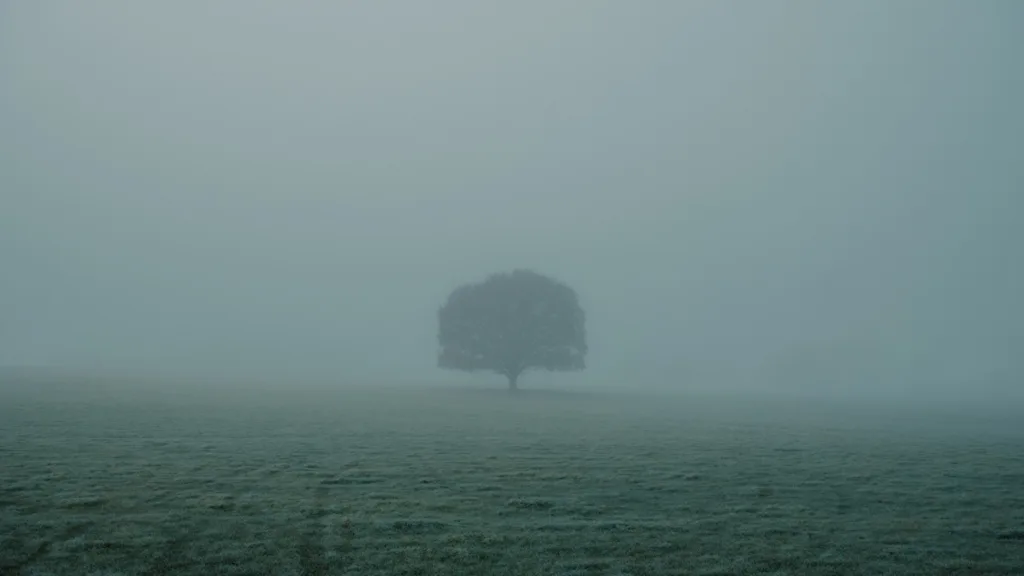
Furthermore, in many ancient societies, midwinter's day is often considered the most important and sacred moment of the year. This is because the Sun, the provider of all light and life, on that day lives one last, shortest day, to be followed by the longest, darkest night, an allegory for our own lives, with their own moments of light and darkness. Only for it to be reborn, resurrected the following day, for a new cycle to begin again.
This moment, at the darkest point of winter, just like for many societies today, was a point of reflection and reverence for ancient peoples. A time when they could reflect on the year that had passed, the joys and sorrows it had contained, the loved ones lost and the moments of optimism and hope it had also carried with it.
Whilst Stonehenge therefore had year-round significance as a giant instrument for measuring the movements of the sun (and possibly the moon), and therefore critical in helping ancient peoples divine where they were in the year, and when to harvest, plant, eke out their stores and so on, it also acted as the focal point for commemorating the end of the year, and the birth of the new one.
Durrington Walls and the Winter Gathering
Just two miles from Stonehenge lies Durrington Walls, the largest Bronze Age settlement found in the British Isles. It existed only for the fifty or so years that the Stonehenge we see today was being built, around 2600 BCE. Located beside the River Avon, its distance from Stonehenge suggests something important: that Stonehenge is a sacred place associated with the spirits and the dead, set apart from the living.
Excavations at Durrington Walls have revealed the remains of enormous midwinter feasts. Animal bones and other evidence strongly suggest that large numbers of people converged here during the winter solstice period, bringing livestock from across Britain for grand celebrations.
Perhaps people gathered here at Midwinter, camping around Durrington Walls before setting out on a spiritual journey along the River Avon. Maybe they travelled by boat to a jetty further downstream, then made their final procession across the wind-swept plain toward Stonehenge. You can imagine the sound of chanting and drums carrying across the landscape as they performed rituals and waited for the Sun’s last breath of light. For a brief moment, that final flare would pass through the narrow gap between the great trilithons before sinking below the horizon on Midwinter’s day.
The Long Night and the Coming Dawn
And after that moment? Perhaps the bonfires were lit, torches raised, and a long night of vigil began. People may have kept the light alive through chants, prayers and ceremony until the following morning, when a new Sun rose in the east, bringing renewed light, life and hope. That moment would have marked the turning of the year, the restart of the cycle, and the promise of warmth and abundance returning.
Who knows, but in my mind, this makes much more sense than Stonehenge's main moment being the summer solstice, the moment which marked the high point of the year and was probably more closely associated with the now and the living.
Of course, all of this is speculation, and because prehistoric people did not leave written records, we will never know for sure why or how Stonehenge was built and used. We can speculate intelligently though, and perhaps that's a lot more fun.
By contrast, there is far less archaeological evidence for major summer solstice gatherings. This suggests that the winter celebration may have held particular significance for Stonehenge's builders, which adds an extra layer of meaning to experiencing it today.
Why I'm Drawn to the Winter Solstice
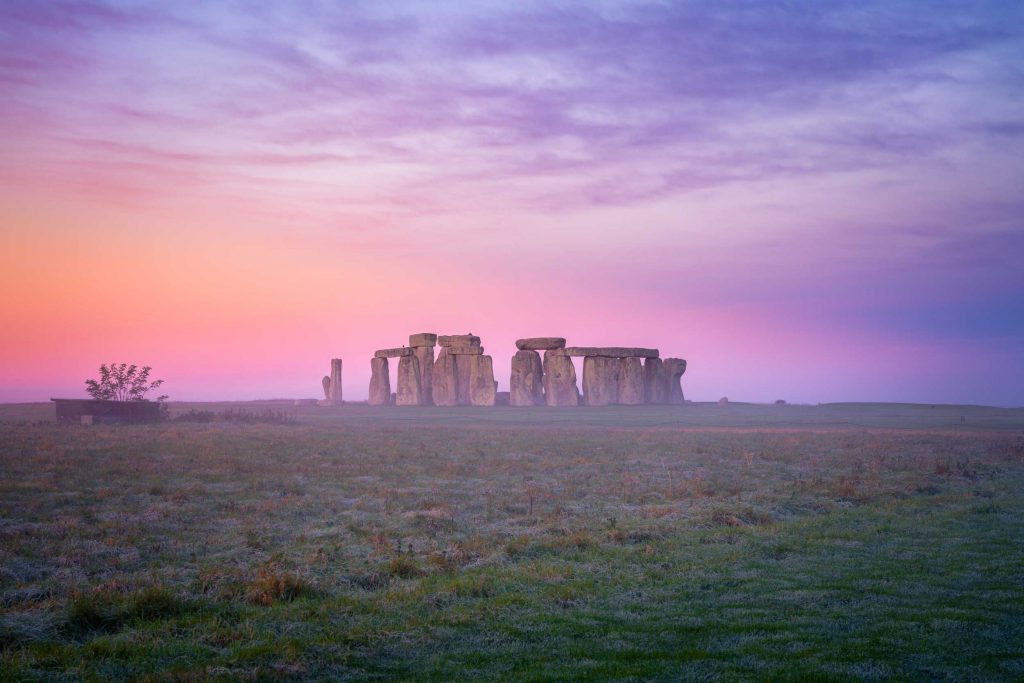
Beyond the archaeological evidence, there are deeply personal reasons why winter solstice speaks to me more powerfully than summer. There's no "wrong" choice between these solstices; both are genuinely special. But for me personally, winter holds a particular magic. Here's why.
The Atmosphere
I've stood at Stonehenge on both solstices, and what strikes me most is how fundamentally different they feel. The summer solstice has an undeniable vitality. There's joy in sharing that sunrise with so many others, and the festival atmosphere creates unique communal energy. For many people, that's exactly what they're seeking.
Winter speaks to something different in me. The cold itself draws people who've made a conscious choice to be there despite the discomfort. There's a hushed quality to the gathering that feels more reverent. The mist rising from frozen grass, torches flickering against darkness, your breath visible in the cold air, these conditions connect me more directly to why ancient people built this place.
When the first light begins to penetrate the Great Trilithon, it feels like witnessing something essential. The light is different in winter, lower, more golden, arriving gradually. It doesn't flood in; it seeps slowly, revealing the stones piece by piece from darkness. I find that profoundly moving.
The Symbolism
The symbolism resonates with me powerfully. Summer solstice marks the peak of light, wonderful, but also the moment after which days grow shorter. Winter solstice marks the turning point from darkness toward light. It's the promise that, however bleak things seem, change is coming. The sun will strengthen, warmth will return, and life will persist. I find I need that reminder more in December than in June.
What Each Solstice Experience Offers
To help you decide which speaks to you, here's what you can expect from each, based on my multiple visits to both.
Summer Solstice: Communal Celebration
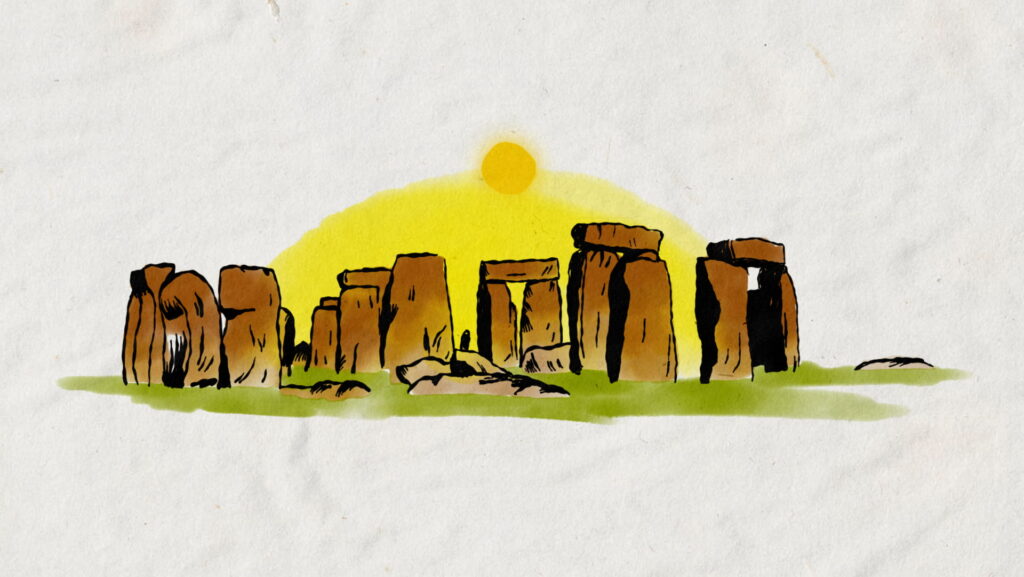
Illustration by Lewis Danielski
Arriving at the monument before the 4:45am sunrise, you'll join thousands, sometimes tens of thousands, of others. The atmosphere is genuinely joyful. Drumming circles form spontaneously. People in various ceremonial dress or festival attire gather together. There's laughter, music, and conversation flowing in multiple languages.
When the sun rises over the Heel Stone, there's often a collective cheer, a moment of shared joy as golden light floods the stones. Despite (or perhaps because of) the crowds, it's genuinely moving. There's something powerful about experiencing this with so many others, all drawn by the same ancient pull.
The celebratory atmosphere continues after sunrise, with people lingering for hours, exploring the stones they normally can only view from behind barriers. Many bring picnics, making a proper day of it.
If you want community, energy, and a celebration of light at its peak, if sharing this experience with thousands appeals to you, then summer solstice absolutely delivers. Just prepare for crowds, potentially challenging traffic, and a very early start.
Winter Solstice: Contemplative Dawn

Illustration by Lewis Danielski
Winter solstice requires different preparation. You're gathering in genuine darkness around freezing temperatures, often with frost coating the grass. The crowd is smaller, usually a few hundred to a couple of thousand, and noticeably quieter.
As dawn approaches (around 8am, far more civilised than summer's timing), everyone's attention turns to the Great Trilithon. Watching the first light penetrate through those massive stones is genuinely breathtaking, at least, I find it so.
The light arrives gradually, seeping slowly rather than flooding in. I often find myself holding my breath as it strengthens, and then feeling a sense of release, of promise kept, as the sun finally clears the horizon.
I've watched people weep at this moment, myself included, if I'm honest. There's something about witnessing this ancient marker of hope and renewal that touches something deep.
The cold is real, though. You need thermal layers, insulated boots, a hat, scarves, and gloves. A flask of hot tea or coffee becomes liquid gold. The weather can be unpredictable; mist, frost, rain, and even snow are all possible. But for me, these atmospheric conditions often make the experience more memorable and magical.
If you’d like to understand the traditions, symbolism and practicalities of the winter gathering more deeply, our Winter Solstice guide is the best place to start.
Experiencing Stonehenge During Winter Season
Important Information
The winter solstice occurs on December 21st or 22nd each year. The solstice dawn gathering is a specific event managed by English Heritage; check their website for current arrangements.
Here's what we want to be clear about: while we can't provide transport to the solstice dawn event itself on December 21st-22nd, we can help you experience Stonehenge during this magical winter period when the stones possess that same atmospheric, contemplative quality.
Why Visit Stonehenge During the Winter Season
The beauty of Stonehenge in winter extends beyond a single dawn. Throughout December and into January, the monument retains that profound winter atmosphere, the low sun casting long shadows, the crisp air, the sense of ancient mysteries preserved in stone. You'll experience Stonehenge in conditions remarkably similar to those our Neolithic ancestors knew.
Our Stonehenge & Beyond Tour operates year-round and offers something the solstice crowds cannot: time, space, and expert guidance to truly understand what you're seeing. Rather than jostling with thousands in pre-dawn darkness, you'll explore Stonehenge with knowledgeable guides who can illuminate the astronomical sophistication, construction mysteries, and cultural significance of this extraordinary monument.
What to Wear and Prepare

Winter at Stonehenge is genuinely cold, it's an exposed site on Salisbury Plain with no natural windbreaks. Layer extensively: thermal base layers, warm jumpers, waterproof outer layers, and a proper winter coat. Insulated boots and thick socks are essential. Don’t forget your hat, scarf and gloves. A flask of hot tea or coffee is invaluable, though you can also enjoy hot and cold refreshments from the Stonehenge café, including tea, coffee, soup, sandwiches and their world-famous rock cakes.
The weather can bring mist, frost, rain, or even snow, but these atmospheric conditions often make the experience even more memorable, connecting you to the monument's ancient purpose.
Getting There from Bath
Stonehenge sits approximately 40 miles southeast of Bath, making it an easy day trip (about one hour by road). During winter, the landscape possesses its own stark beauty, bare trees silhouetted against winter skies, frost-covered fields, and characteristically English villages.
If you're staying in Bath (highly recommended, it's magical during the festive season), the most rewarding option is joining a guided tour that combines Stonehenge with other significant sites. Our approach helps you see Stonehenge not as an isolated monument but as part of a broader Neolithic landscape. Take a look at our half-day and full-day tours to see what fits your plans.
For the solstice dawn event itself, you'll need accommodation near Amesbury or Salisbury, as travelling from Bath for an 8am gathering means an impractically early start. However, basing yourself in Bath for the broader winter season visit offers the best overall experience, Christmas markets, the Roman Baths taking on special significance in winter, and excellent restaurants and pubs for warming up after exploring.
Curious about what else winter unlocks in this region? Explore our seasonal highlights guide for ideas that pair beautifully with a Stonehenge visit.
Beyond Stonehenge: The Winter Landscape
Understanding the Context
Stonehenge sits at the heart of a dense prehistoric landscape including hundreds of burial mounds, the massive henge at Durrington Walls, the mysterious Cursus monuments, and Woodhenge. Walking this landscape in winter, when archaeological features stand out more clearly against bare fields, you grasp the scale of what ancient people created here.
Our tours reveal this broader context, taking you beyond Stonehenge itself to explore the ritual landscape it sits within. Once you understand that Stonehenge was part of something larger, serving communities across ancient Britain, the monument becomes even more impressive.
The Magic of Winter
Winter around Stonehenge and across Wiltshire possesses particular enchantment. Tourist crowds thin dramatically after October, leaving the landscape quieter, more contemplative. Frost transforms fields into glittering expanses. The low winter sun, the same sun that concerned our Neolithic ancestors, casts dramatic light across the monuments.
This is the season when you can most easily imagine the landscape as ancient people knew it. Strip away the discreetly hidden modern elements, and winter Stonehenge looks remarkably similar to how it appeared thousands of years ago.
Exploring the Region
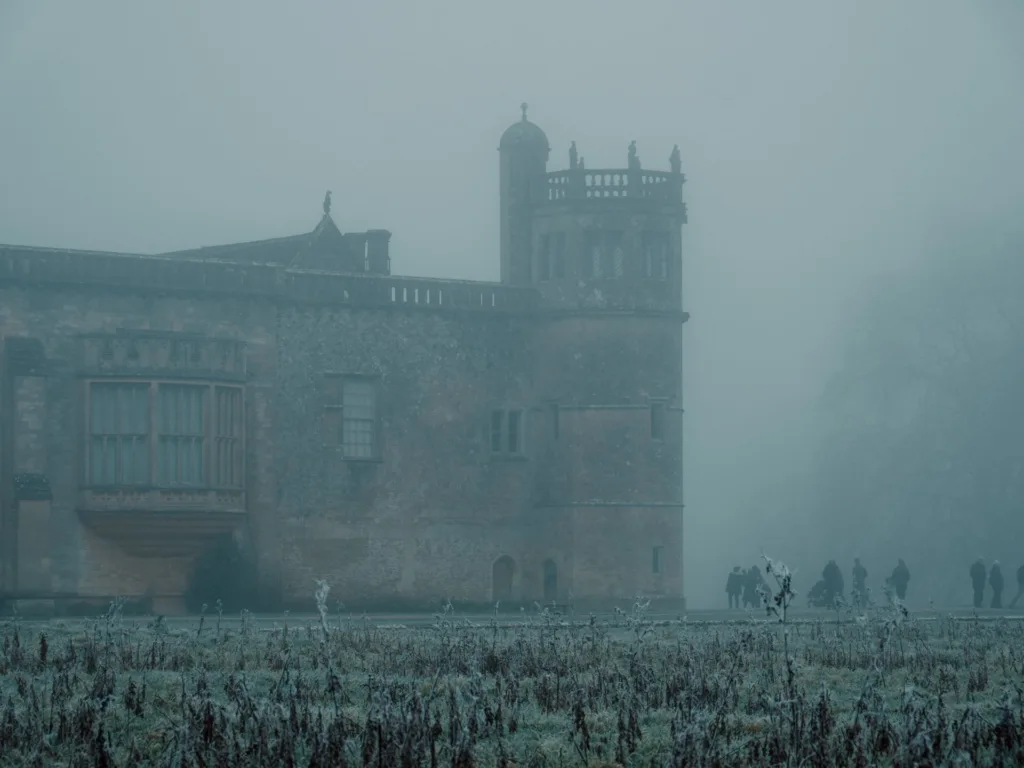
If you're travelling to Stonehenge in winter, you're perfectly placed to explore some of England's most atmospheric historic sites. The medieval village of Lacock lies between Bath and Stonehenge and has featured in Pride and Prejudice and the Harry Potter films. Avebury, home to the world’s largest stone circle, offers a fascinating counterpoint to Stonehenge. And just along the way stands Salisbury Cathedral, an extraordinary Gothic masterpiece housing the best-preserved copy of Magna Carta.
These sites combine beautifully into multi-day journeys, with Bath as your comfortable base. Explore our winter tours or get in touch to create something custom.
Conclusion: Your Choice, Your Experience
If you're travelling to Stonehenge in winter, you're perfectly placed to explore some of England's most atmospheric historic sites. The medieval village of Lacock lies between Bath and Stonehenge and has featured in Pride and Prejudice and the Harry Potter films. Avebury, home to the world’s largest stone circle, offers a fascinating counterpoint to Stonehenge. And just along the way stands Salisbury Cathedral, an extraordinary Gothic masterpiece housing the best-preserved copy of Magna Carta.
These sites combine beautifully into multi-day journeys, with Bath as your comfortable base. Explore our winter tours or get in touch to create something custom.

ABOUT THE AUTHOR
Jules Mittra
Ex-history teacher & tour guide, he has both academic insight as well as on-ground expertise.